

Upholding Dialogue in Times of Crisis
Examining Jewish-Muslim relations in times of war and crisis
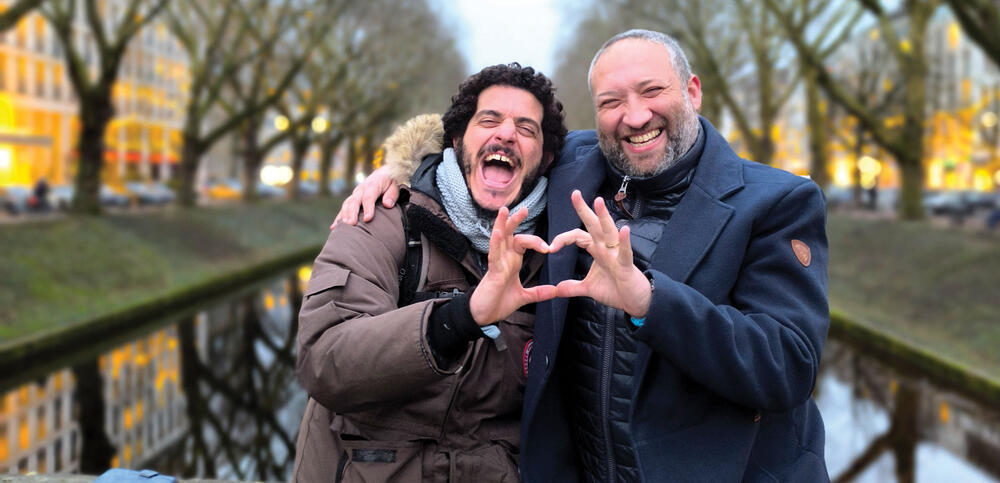
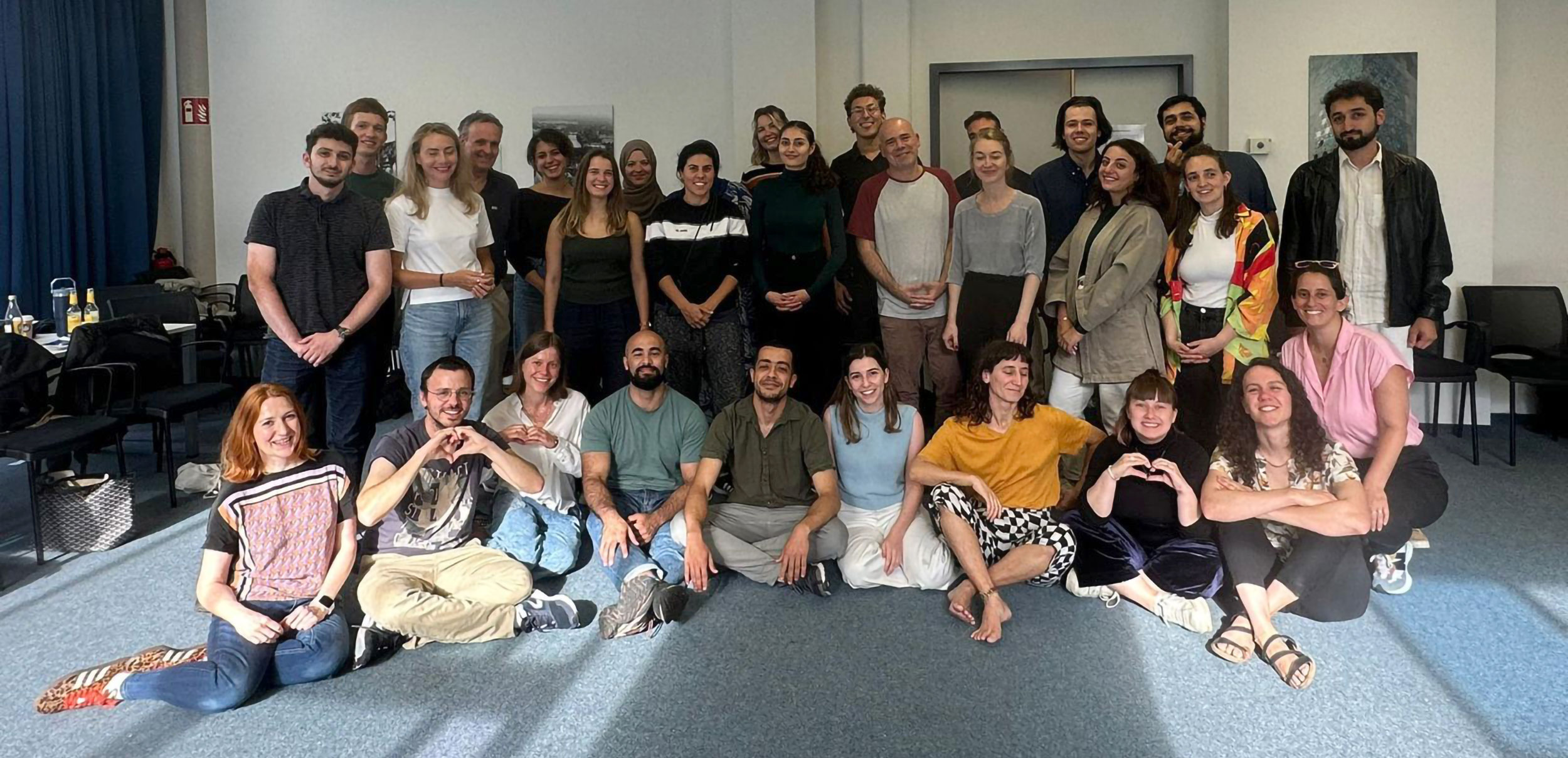
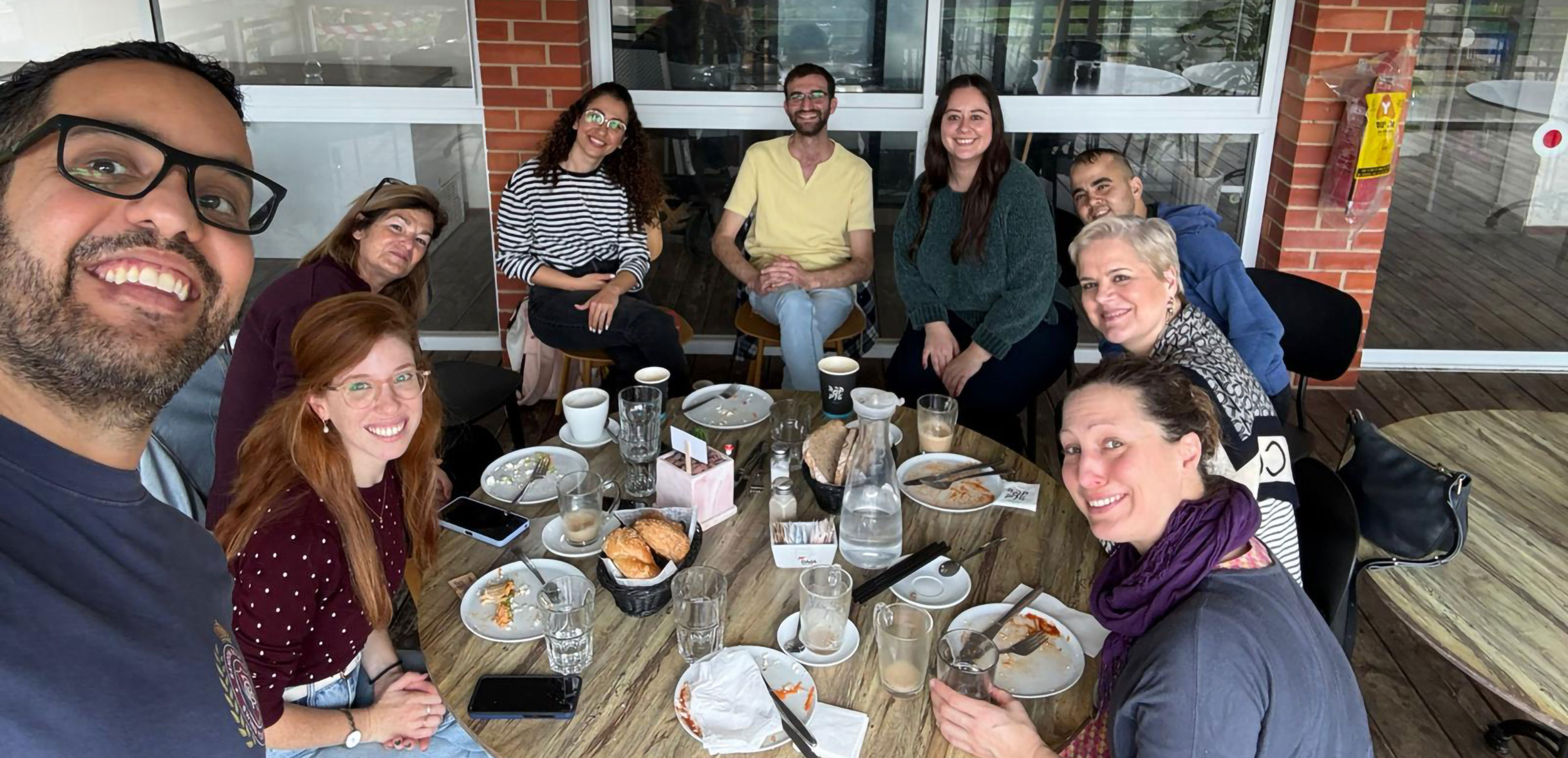
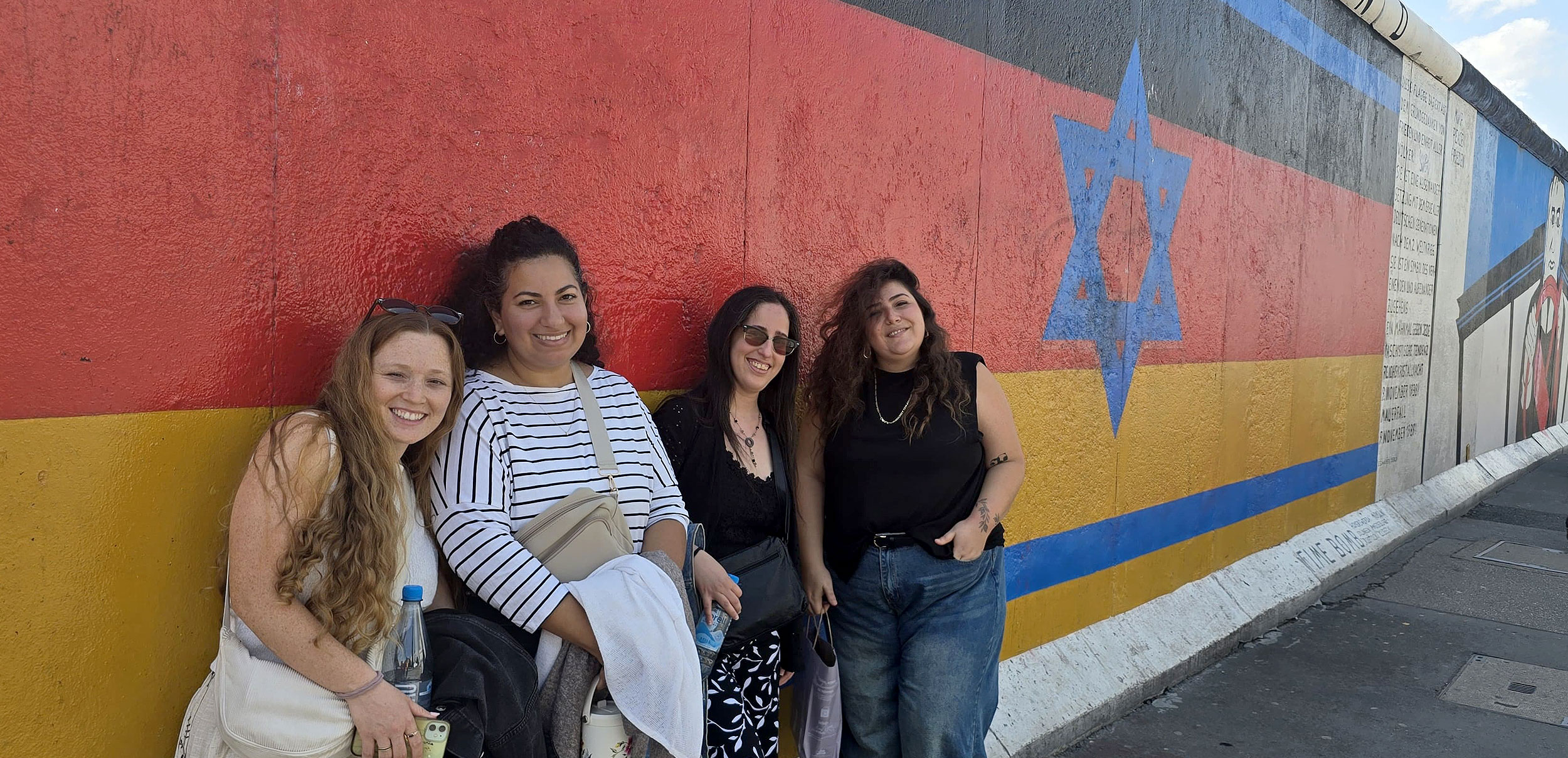
Dialogue means staying at the table, even when we disagree. This approach guided Tech2Peace from Haifa and the Heidelberg University of Jewish Studies in bringing together young Israelis, Palestinians and Germans for a shared discussion in a unique project. Diversity was key to building the group: students, researchers and professionals from varying backgrounds – Jews, Muslims, Israelis, Palestinians and Germans – some with personal immigration stories and diaspora experience.
Through small group discussions, expert seminars and shared work, participants explored the impact of the Israeli-Palestinian conflict beyond the region. Of particular interest was how democratic discourse, social cohesion and the relationships between the Jewish and Muslim communities in Germany were affected.
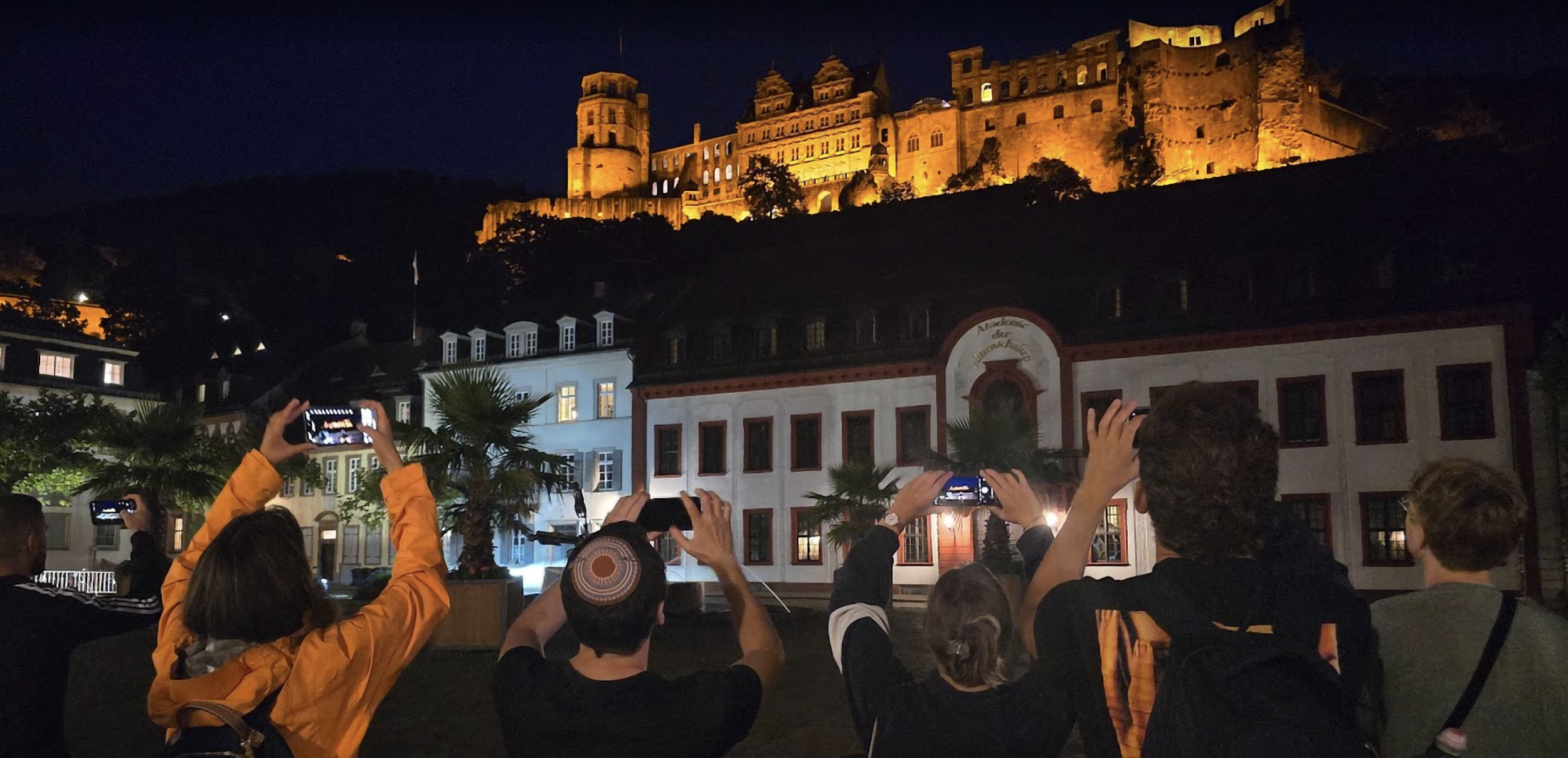
Personal experiences stood at the heart of the project: how does the conflict influence each participant individually, and what are the consequences for daily life? Lectures, films and open discussions brought the conversation to the public in Heidelberg. The goal was not to reach an agreement, but to maintain a civil discussion despite different opinions.
The project Upholding Dialogue in Times of Crisis has built trust and lasting personal connections which stood out throughout the program. Today, participants bring the experience they have gained back to their own communities, becoming ambassadors of intercultural inclusion.
A Bridge to Psychosocial Rehabilitation
A German-Israeli cooperation for participation in the work life
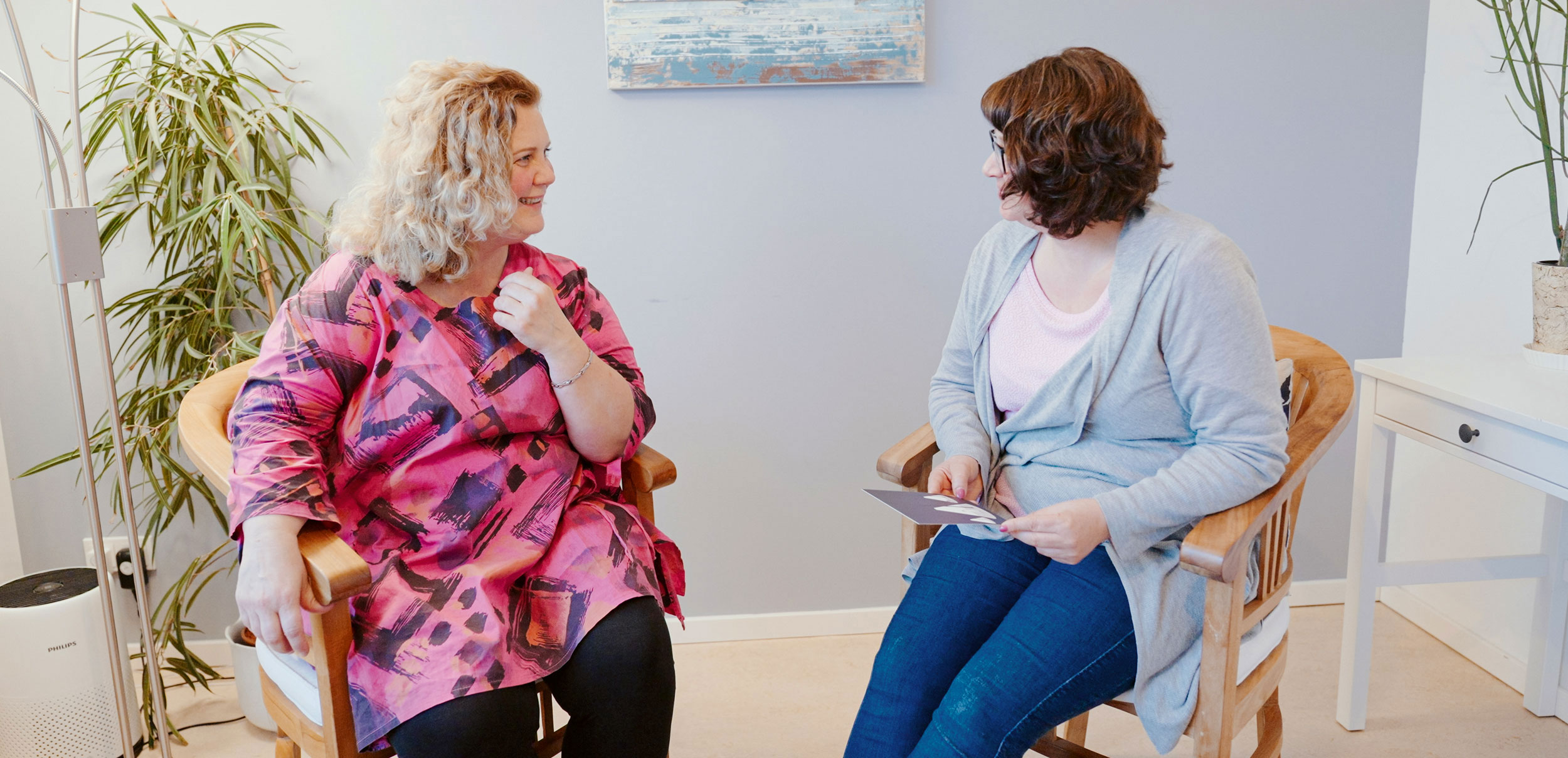
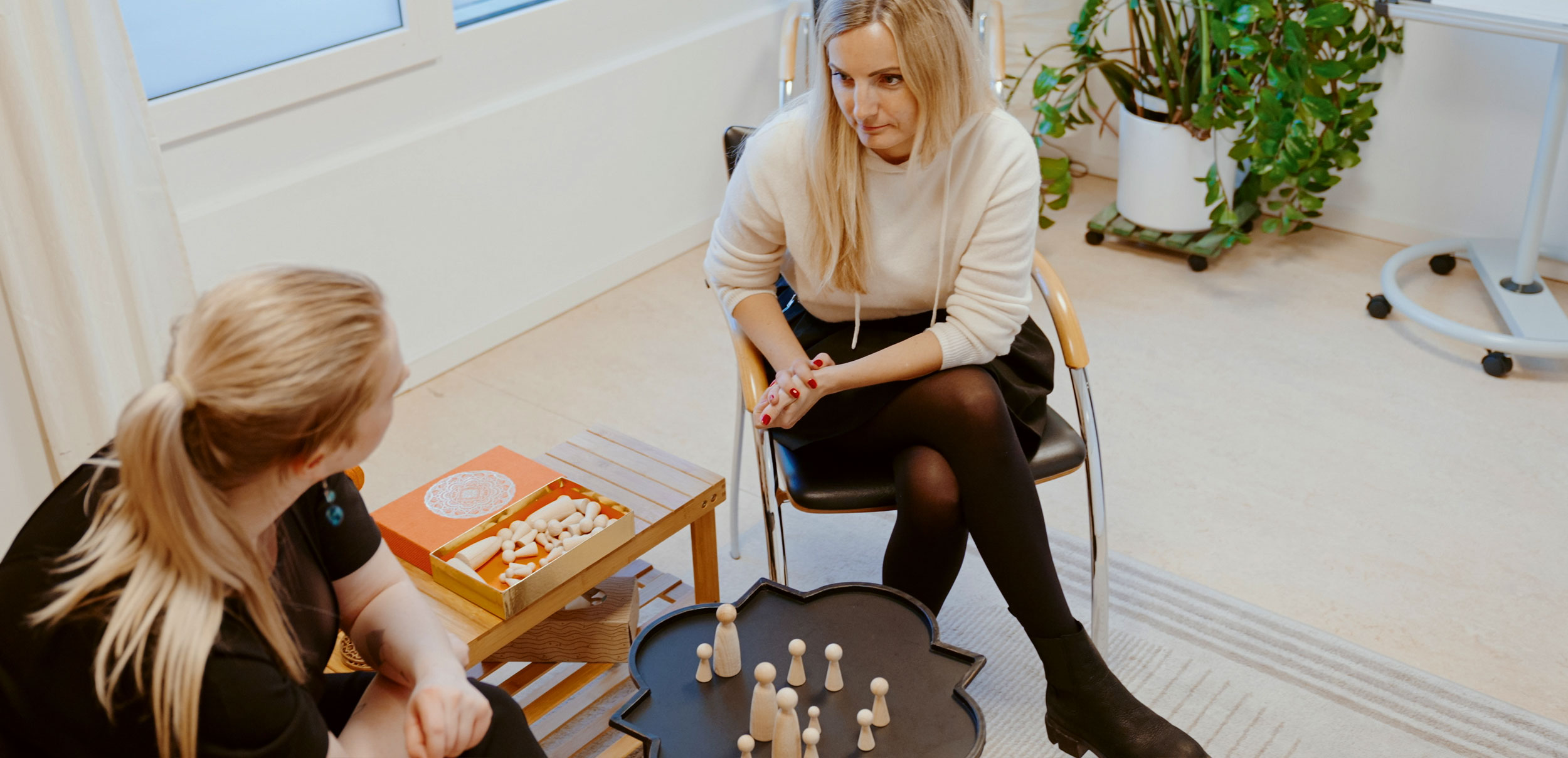
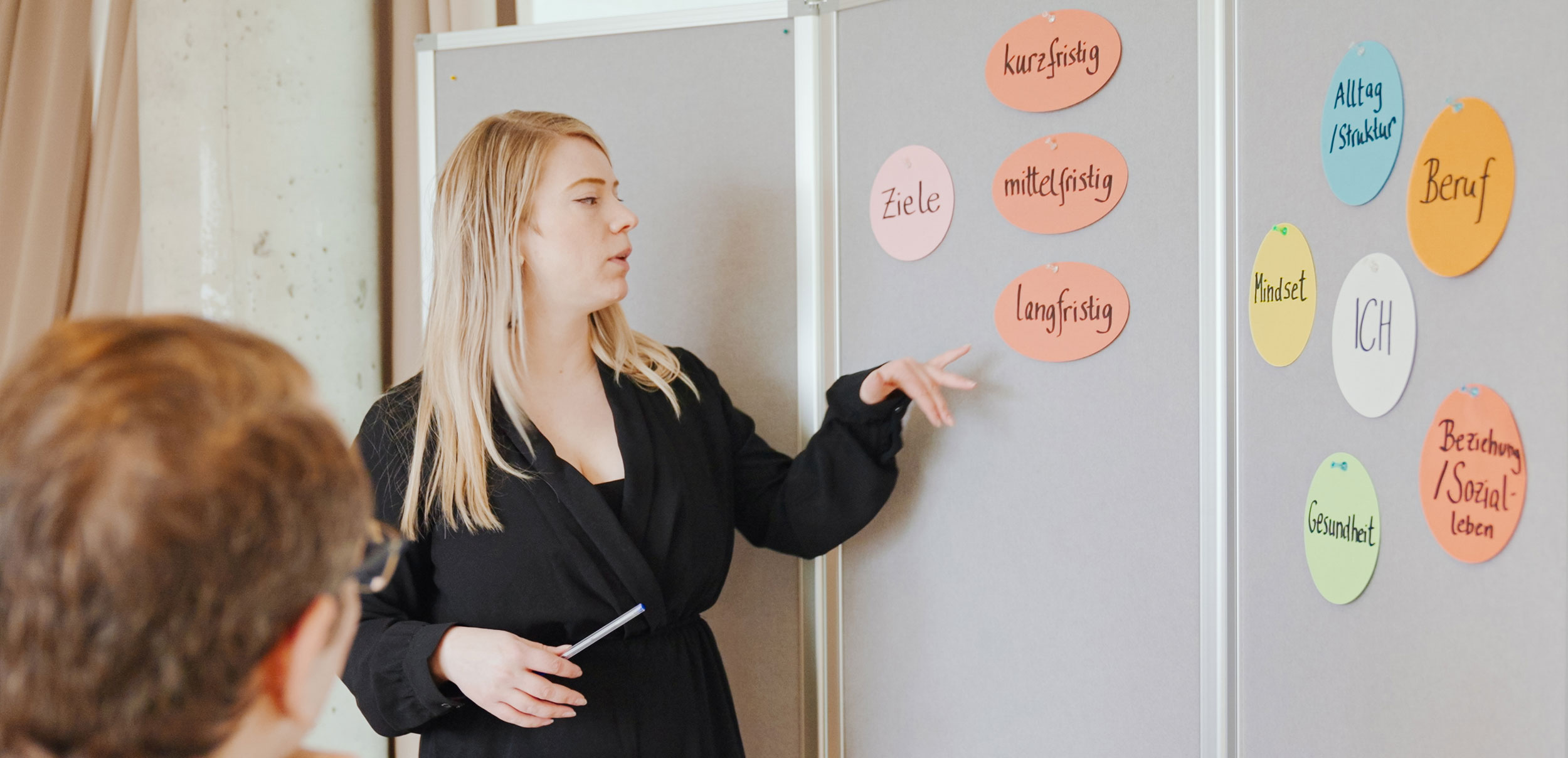
Young professionals from therapy, management and political fields, alongside people who experience mental health challenges, met in a series of visits, professional training sessions and seminars in order to exchange insights.
The two sides of the project complemented each other – Shekulo Tov presented a model which links rehabilitation, professional training and work right from the start, with jobs in places such as bookstores and cafés located at the heart of neighborhoods. This way, more people find work in regular jobs than under the classic model of sheltered workplaces for people experiencing psychological difficulties. The Berlin Institute applies the Israeli model and adapts it to the German context, drawing on its experience in individual guidance and deep knowledge of the German social support system.
The project A Bridge to Psychosocial Rehabilitation connects the health system, social system and labor market to ensure that no person slips through the cracks; rather, they play an active part in shaping society as citizens, colleagues and engaged members of their communities.